Mais recursos, mais percepções de especialistas
Mesa-redonda LATAM
Se você está explorando a criação de um centro de amiloidose na América Latina, nosso relatório resumido da mesa redonda estará em breve disponível em espanhol e português do Brasil, juntamente com uma biblioteca de vídeos de Perguntas Frequentes (FAQ) cobrindo as principais questões discutidas durante a reunião.
Terça-feira, 30 de junho de 2026
Este evento já passou.
Nosso programa de educação médica independente foi desenvolvido para apoiar equipes multidisciplinares no estabelecimento e fortalecimento de serviços especializados em amiloidose, com insights específicos da região para refletir os desafios do mundo real e apoiar a implementação.
O diagnóstico precoce e preciso, seguido pelo início oportuno do tratamento, é essencial para melhorar os resultados em pacientes com amiloidose. No entanto, na América Latina, os pacientes geralmente sofrem atrasos significativos no diagnóstico, o que é complicado pelo número limitado de centros especializados equipados para oferecer atendimento coordenado e multidisciplinar.
Para enfrentar esses desafios urgentes, estamos organizando uma mesa redonda virtual para discutir como superar os desafios de estabelecer e operar serviços de amiloidose na região da América Latina.
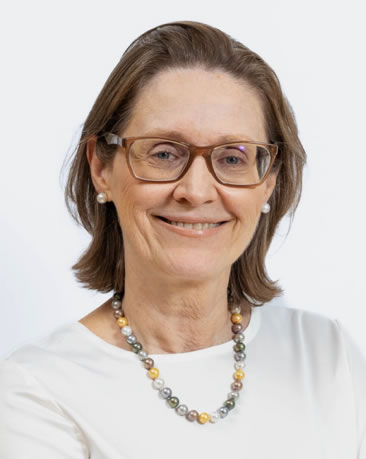
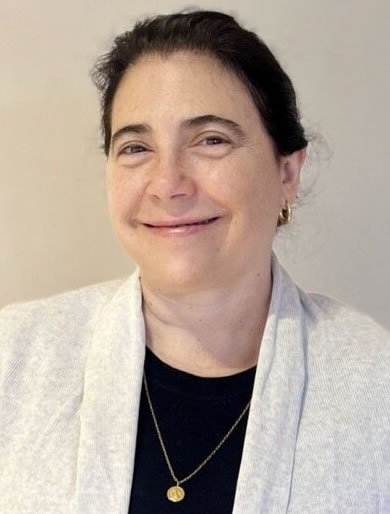
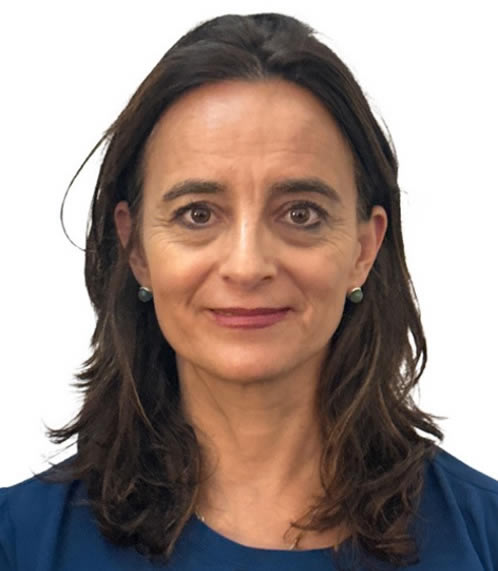
Três especialistas em amiloidose nos acompanharão, pois foram fundamentais para a criação de serviços de amiloidose bem-sucedidos em seus respectivos países: Brasil, Argentina e México.
Diretores de coprogramas
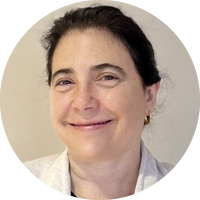
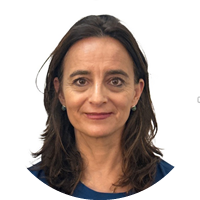
Dra Alejandra Gonzalez Duarte (México)
NYU Grossman School of Medicine & NYU Dysautonomia Center, EUA
BiografiaAgenda
| Tempo | Sessão |
|---|---|
| 10 minutos | Bem-vindo e Introdução |
| 30 min | Sessão 1: Melhorando os caminhos de diagnóstico e encaminhamento |
| 30 min | Sessão 2: Otimizando o tratamento da amiloidose na América Latina |
| 30 min | Sessão 3: Construindo uma colaboração multidisciplinar eficaz |
| 15 minutos | Sessão 4: Debate e Perguntas e Respostas |
| 5 minutos | Considerações finais |
Conectar
Essa mesa redonda oferecerá uma plataforma para que os profissionais de saúde se envolvam diretamente com professores especialistas e colegas para obter orientação especializada e discussões sobre os desafios específicos da região para estabelecer um serviço dedicado, encaminhar pacientes para centros existentes e melhorar a colaboração multidisciplinar.
A reunião será realizada em espanhol e português, com tradução simultânea disponível.
Esta reunião é adequada para alunos envolvidos no diagnóstico e no gerenciamento da amiloidose. Solicite uma vaga na mesa redonda caso tenha interesse em estabelecer um serviço de amiloidose na América Latina.
Objetivos de aprendizado
Depois de participar deste programa, você será capaz de:
- Identificar barreiras do mundo real para diagnóstico precoce e encaminhamento oportuno de amiloidose na LATAM
- Integrar orientações de casos de sucesso relevantes para a região de centros estabelecidos
- Discutir estratégias práticas para colaboração multidisciplinar eficaz para melhorar os encaminhamentos, o diagnóstico e o manejo da amiloidose
Para quem é isso?
Neurologistas, cardiologistas, hematologistas, gastroenterologistas, cirurgiões ortopédicos, nefrologistas, geneticistas, fisioterapeutas, psicólogos, patologistas, enfermeiros e outros profissionais de saúde envolvidos no diagnóstico e no tratamento de pacientes com amiloidose