More resources, more expert insights
LATAM Roundtable
If you are exploring setting up an amyloidosis centre in Latin America, our roundtable summary report will soon be available in Spanish and Brazilian Portuguese, alongside an FAQ video library covering the key questions discussed during the meeting.
Tuesday, 30 June 2026
This event has now passed.
Our independent medical education program is designed to support multidisciplinary teams in establishing and strengthening specialist amyloidosis services, with region-specific insights to reflect real-world challenges and support implementation.
Early and accurate diagnosis, followed by timely initiation of treatment, is essential for improving outcomes in patients with amyloidosis. However, in Latin America, patients often experience significant diagnostic delays, complicated by the limited number of specialized centers equipped to offer coordinated, multidisciplinary care.
To address these urgent challenges, we are running a virtual roundtable meeting to discuss how to overcome challenges in establishing and operating amyloidosis services in the LATAM region.
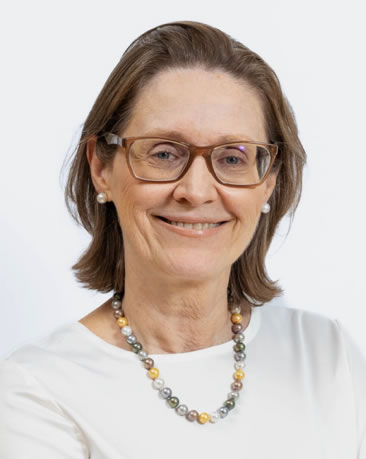
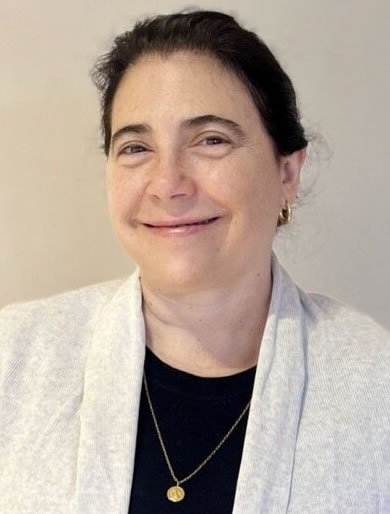
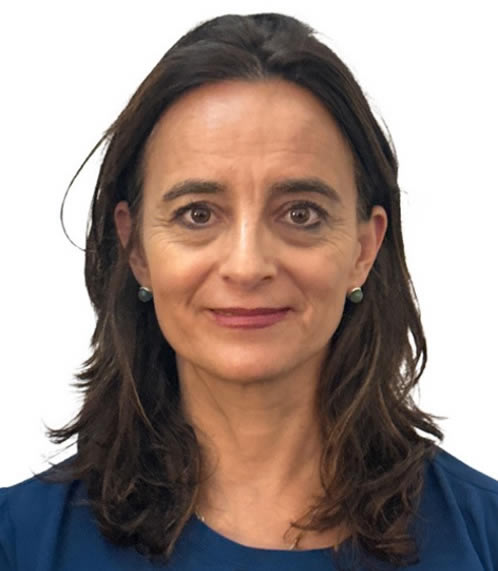
We will be joined by three amyloidosis experts who have been instrumental in setting up successful amyloidosis services in their respective countries, Brazil, Argentina, and Mexico.
Co-program directors
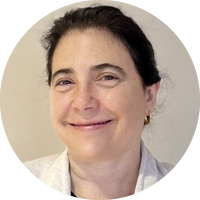
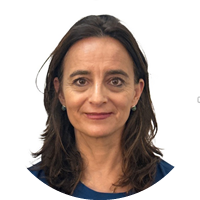
Dr Alejandra Gonzalez Duarte (Mexico)
NYU Grossman School of Medicine & NYU Dysautonomia Center, USA
BioAgenda
| Time | Session |
|---|---|
| 10 mins | Welcome and Introduction |
| 30 mins | Session 1: Improving diagnosis and referral pathways |
| 30 mins | Session 2: Optimizing amyloidosis treatment in LATAM |
| 30 mins | Session 3: Building effective multidisciplinary collaboration |
| 15 mins | Session 4: Panel discussion and Q&A |
| 5 mins | Closing remarks |
Connect
This roundtable discussion will provide a platform for HCPs to engage directly with expert faculty and peers for specialized guidance and discussions around region-specific challenges to setting up a dedicated service, referring patients to existing centers, and improving multidisciplinary collaboration.
The meeting will be conducted in Spanish and Portuguese, with simultaneous translation available.
This meeting is suitable for learners involved in the diagnosis and management of amyloidosis. Please apply for a place at the roundtable if you have an interest in establishing an amyloidosis service in LATAM.
Learning objectives
After taking part in this program, you will be able to:
- Identify real-world barriers to early diagnosis and timely referral of amyloidosis in LATAM
- Integrate guidance from regionally relevant success stories from established centers
- Discuss practical strategies for effective multidisciplinary collaboration to improve amyloidosis referrals, diagnosis and management
Who is this for?
Neurologists, cardiologists, hematologists, gastroenterologists, orthopedic surgeons, nephrologists, geneticists, physiotherapists, psychologists, pathologists, nurses, and other HCPs involved in diagnosis and management of patients with amyloidosis